

Children belong in families, not institutions.
Kinship United believes children should grow up in families. Our family-centered approach follows the same child-welfare values promoted by groups like the UN, UNICEF, and the Red Cross / Red Crescent — for children who are orphaned, separated, or without a safe family. View our guiding principles.
A safe, loving home to heal, grow, and belong.
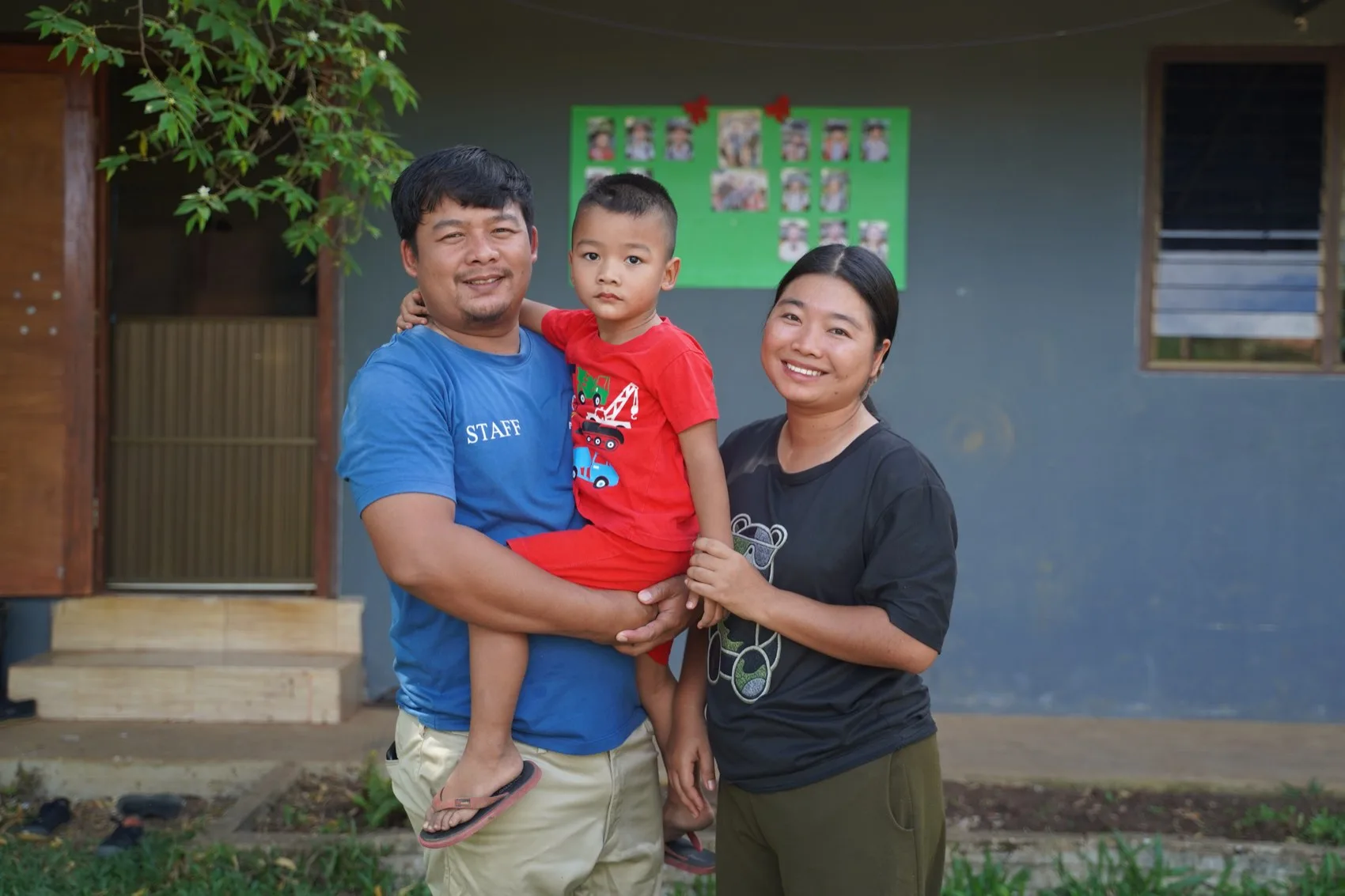
Kinship Families are designed to give children a safe and loving home where they can heal, grow, and belong. Instead of a traditional orphanage model, we focus on family-based care — children are cared for by loving caregivers who help meet their physical, emotional, spiritual, and educational needs.
Every Kinship Family is built around four important parts: the child, the caregivers, the Kinship Local Church, and the community.
Kinship Families' Guiding Principles for Child Welfare
Whole-Child Care
We care about every part of a child’s life — their faith, health, emotions, education, relationships, and future — helping each one recover from trauma and grow in a stable, loving home.
Restoring Childhood
Every child deserves to feel safe, go to school, play, grow, and be treated with dignity. Each Kinship Family is a place to experience the childhood they may have lost.
The Importance of Family
Whenever it is safe and possible, we support reuniting children with their families. When that is not possible, we provide a safe family environment through Kinship care.
Fair Treatment for Every Child
Every child is valuable. We do not discriminate based on background, tribe, ethnicity, gender, ability, or life situation. Each child deserves love, protection, and opportunity.
Equal Opportunities for Boys & Girls
Boys and girls should have equal access to education, healthcare, safety, and the opportunities they need to grow.
Safe Housing
Children need a safe place to live. A secure home helps children feel protected, connected, and part of a family.
International Child-Welfare Standards
We seek to follow respected child-welfare principles, including the Convention on the Rights of the Child — protecting children, treating them fairly, listening to them, and deciding based on what is best for them.
Supporting Caregivers
Caregivers play a vital role in the lives of the children. We support and encourage them as they provide daily care, guidance, and love.
The Child's Best Interest
Every decision is made with the child’s safety, well-being, and future in mind — considering local laws, ethical values, culture, and the individual needs of each child.
Listening to Children
Children should be heard. When decisions affect them, their thoughts and feelings are considered in a way that fits their age and maturity.
Discipline with Love & Respect
We do not support violent discipline. Children are guided in a way that teaches respect, responsibility, and understanding, reflecting both local laws and Biblical values.
Growing Toward Self-Sufficiency
Our goal is for each Kinship Family to become more self-sustaining over time — growing, within five years, in local support, community involvement, and practical independence.
Freedom in Christ
We teach and share Christian beliefs while respecting each child’s thoughts, conscience, and dignity — so children learn faith in a way that also teaches love, respect, and care for others.
One family, held by four.
The Child
At the center of every home is the child — safe, known, and free to heal, grow, and belong.
The Caregivers
Loving caregivers meet each child's physical, emotional, spiritual, and educational needs, day after day.
The Local Church
A Kinship Local Church gives each family its spiritual foundation, guidance, and lasting roots.
The Community
Neighbours and community alongside each home, sharing support, morale, and belonging.
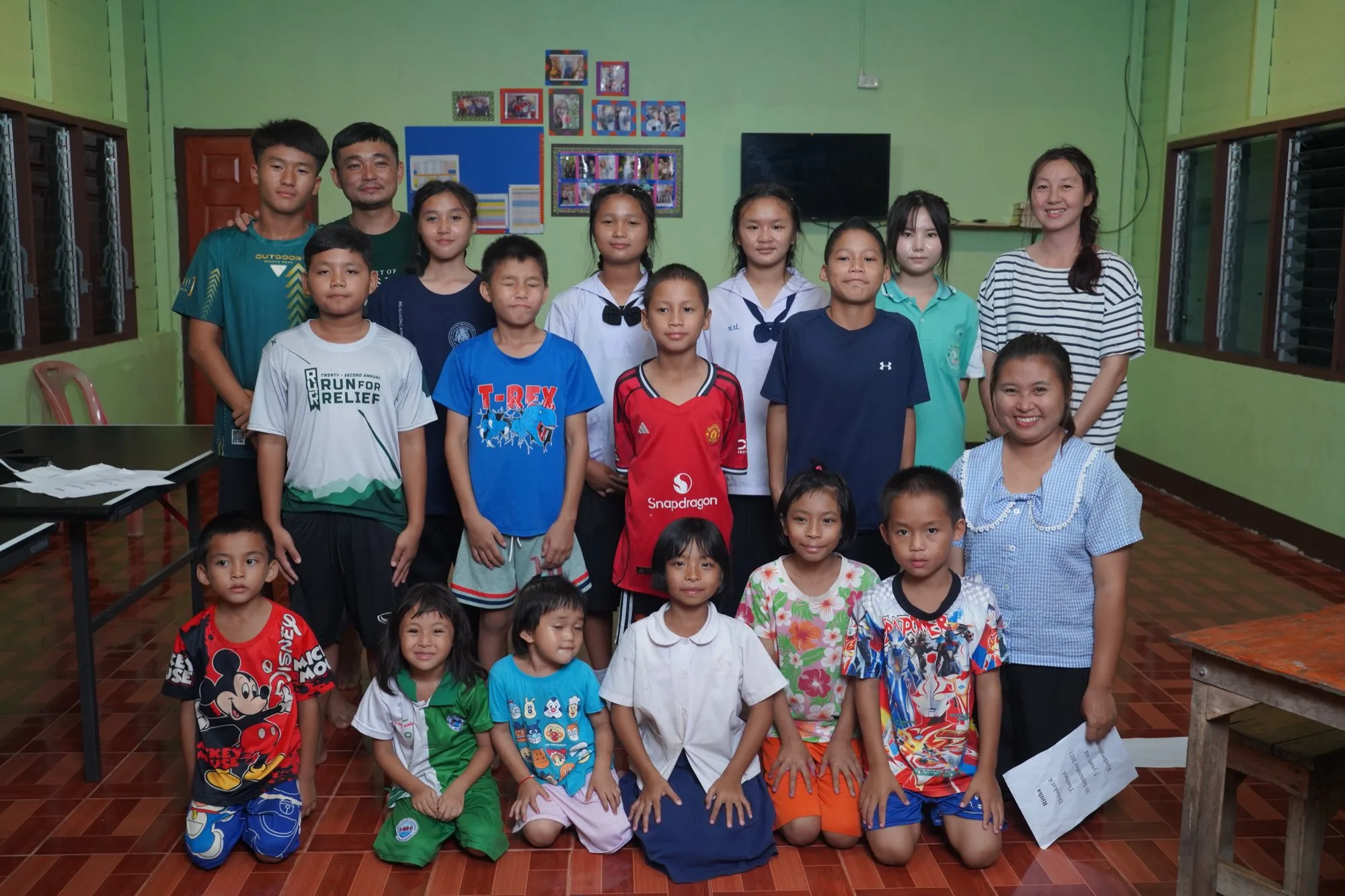
Homes where children build a better future.
Through Kinship Families, Kinship United works to create safe, loving, and family-centered homes where children can heal, grow, and build a better future.
Real lives, changed by love.
From refugee to graduate
Pohn crossed the border alone at eleven. This spring he became the first in his family to graduate university — and dreams of becoming a teacher so no child learns alone.
A widow finds purpose
After losing her husband, Mai opened her home rather than close it. Today she is a caregiver to nine children, and says she has never felt more alive or more needed.
Two brothers, reunited
Separated for years across different homes, two boys now share one roof again — relearning, slowly, what it means to belong, to be safe, and to be fully loved.
A child is waiting for a family.
Your support keeps these homes running, these children in school, and these families together.